Epitalon
Epithalon · Epithalone · AEDG peptide · Ala-Glu-Asp-Gly
Last updated
Buying options
Available at Real Peptides (US) — 20% off auto-applied
A 7-week protocol at 7.5 mg/day ≈ 37 vials
At a glance
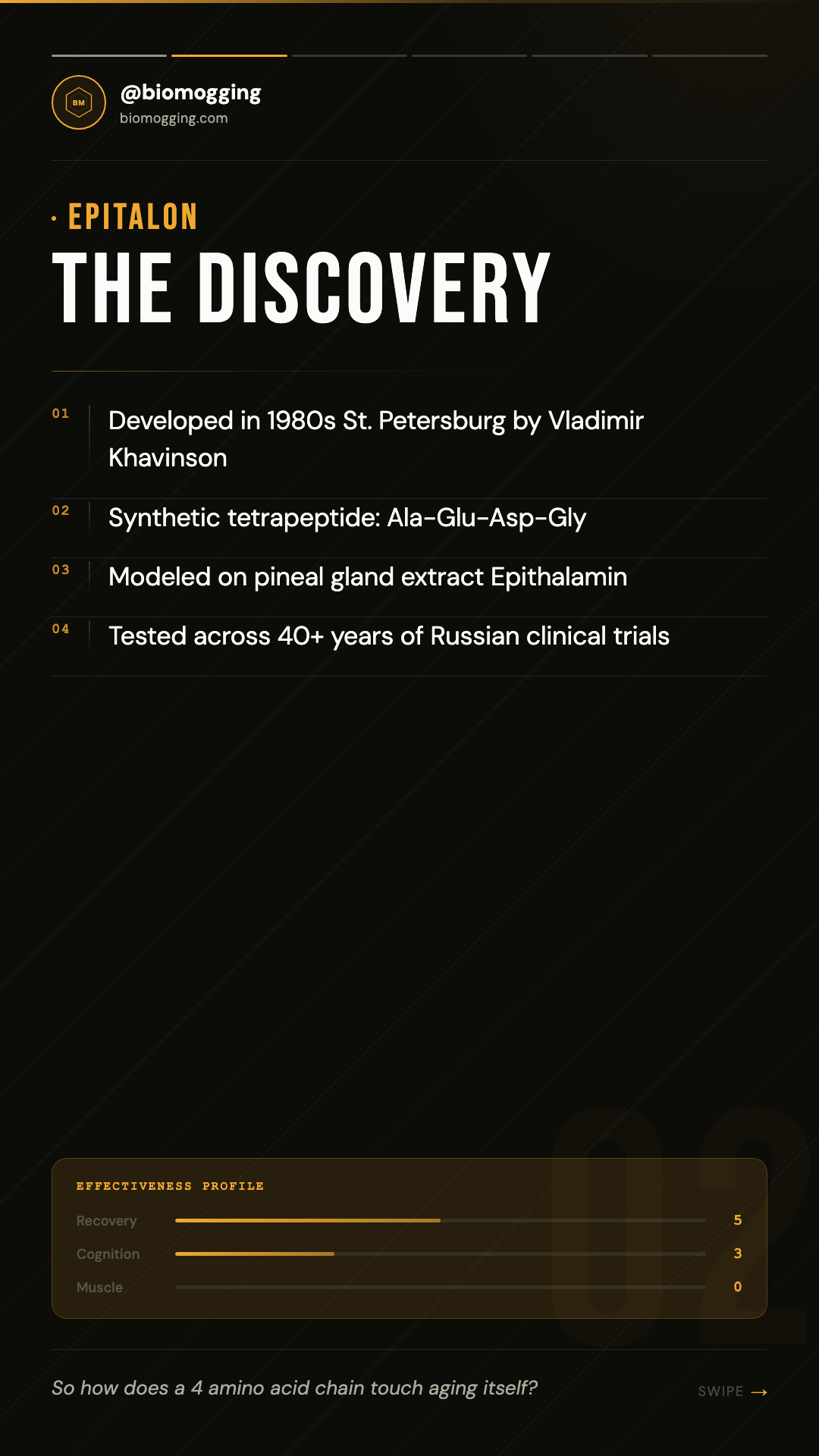
- Recovery
- 5/10
- Cognition
- 3/10
- Muscle Growth
- 0/10
- Fat Loss
- 0/10
- Strength
- 0/10
- Endurance
- 0/10
Overview
Epitalon is the synthetic tetrapeptide (Ala-Glu-Asp-Gly) at the center of the longevity-peptide conversation. Developed by Vladimir Khavinson's group in St. Petersburg as a short-sequence analog of the pineal extract Epithalamin, it earned its reputation on two claims that are unusually specific for this category: telomerase induction in human somatic cells and restoration of the age-flattened night-time melatonin peak. Both are backed by published work, not just vendor copy.
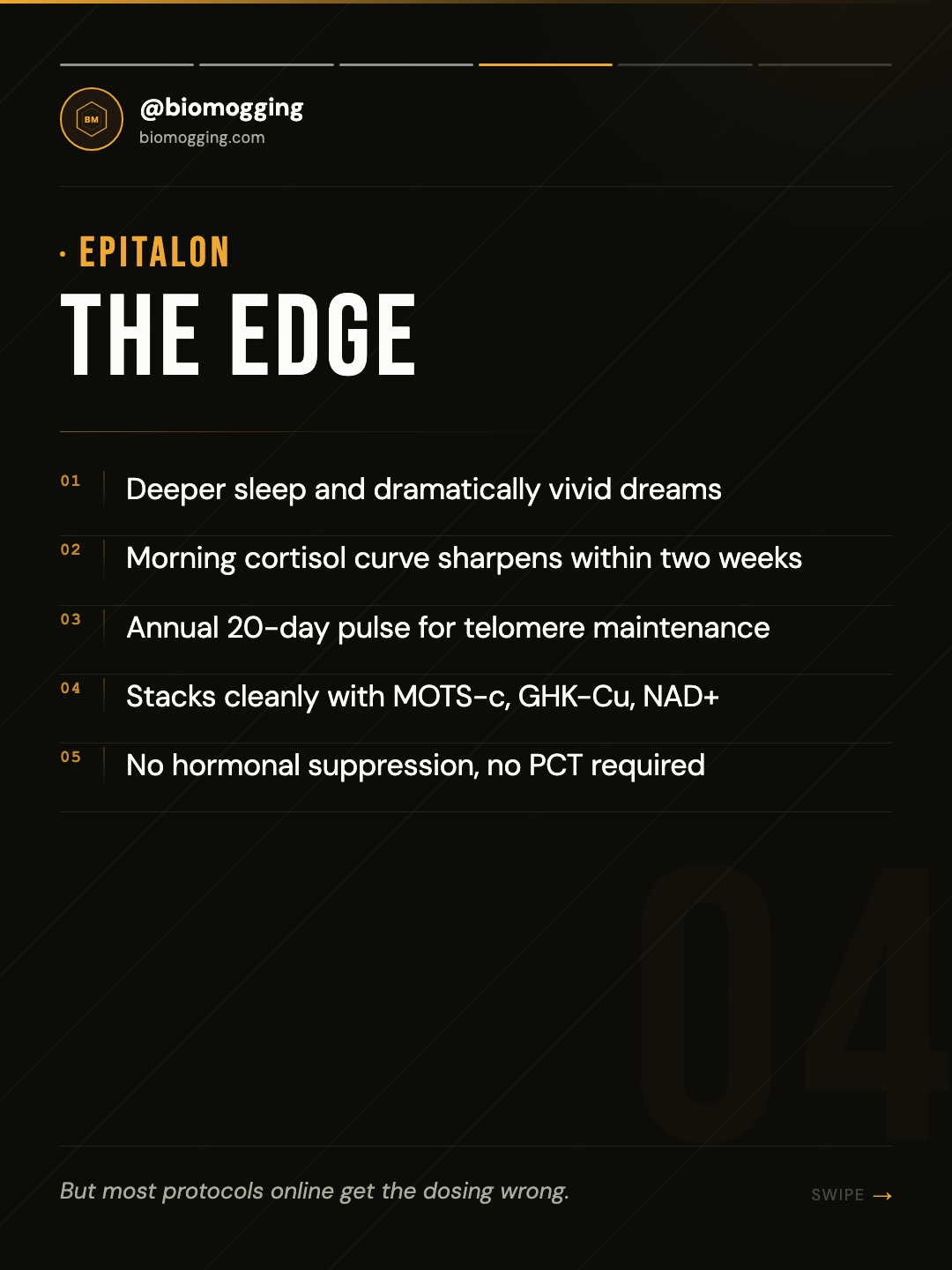
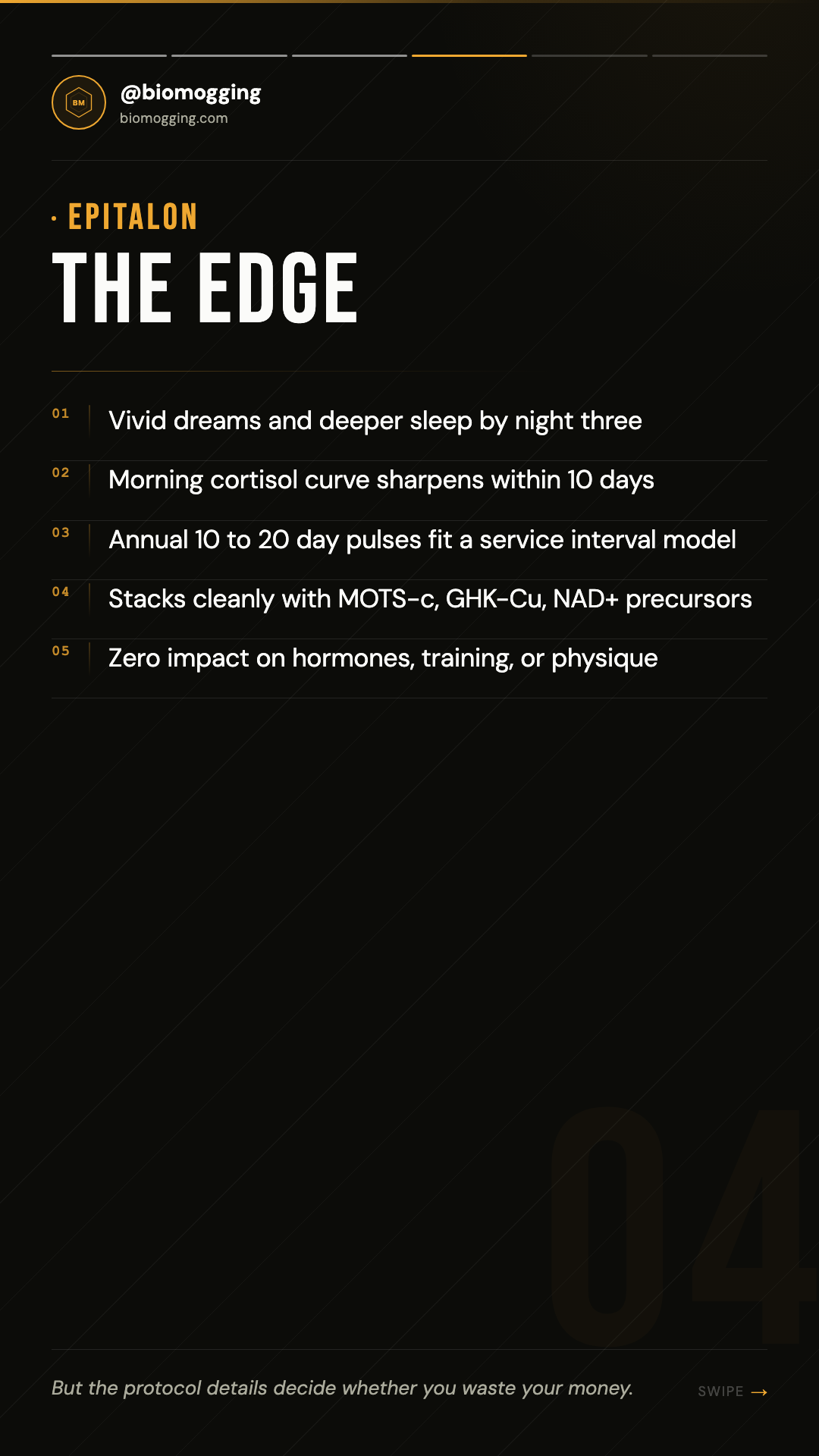
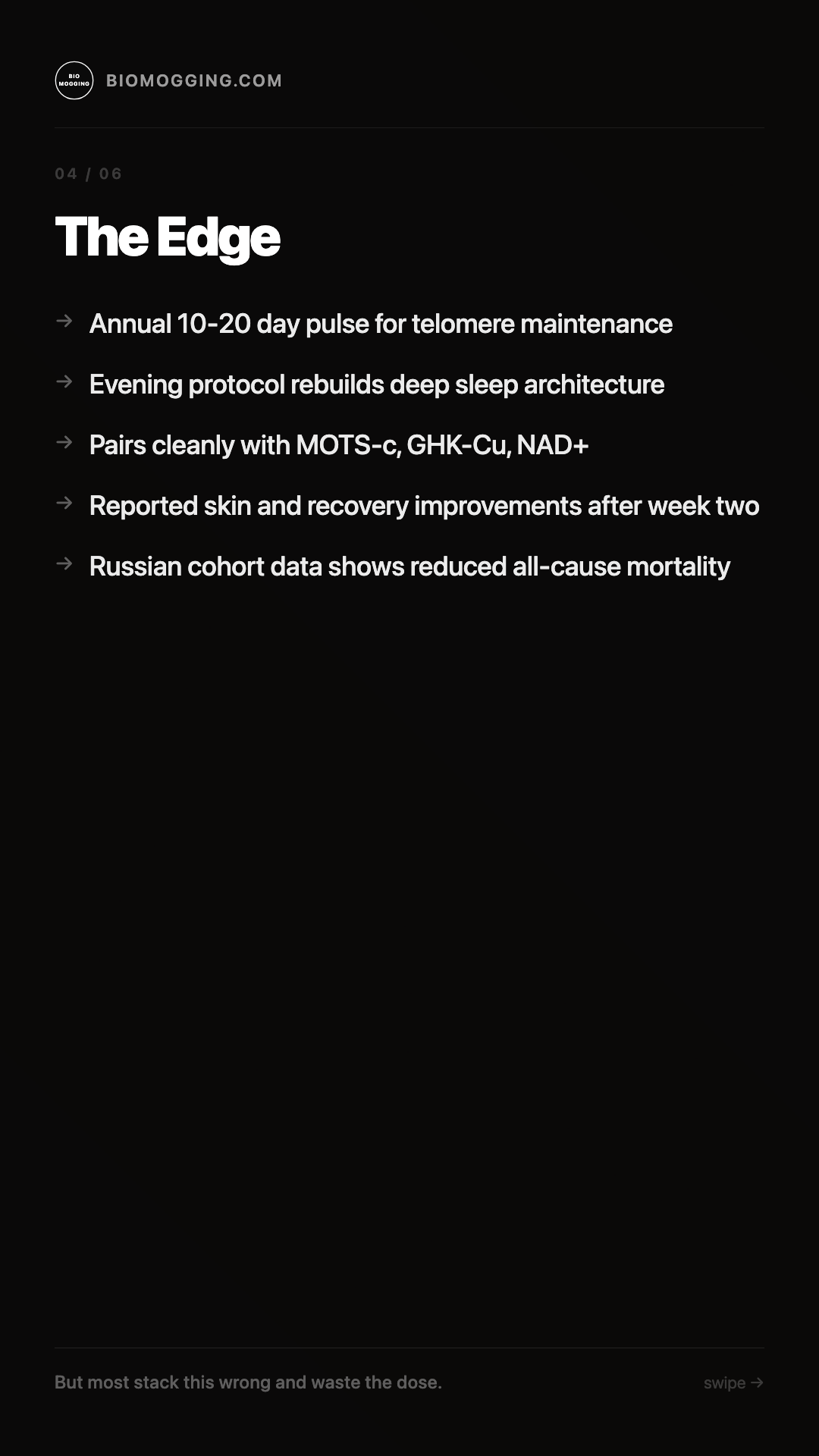
For the longevity and looksmaxxing community, that translates into three concrete use cases — an annual "service interval" pulse for telomere maintenance, a 10–14 day evening run for sleep architecture and circadian reset, and a backbone slot in a broader anti-aging stack alongside MOTS-c, GHK-Cu, NAD+ precursors, and low-dose tadalafil. Nobody serious claims Epitalon builds muscle or strips fat; the payoff is slower, quieter, and measured in sleep quality, recovery capacity, and (if tracked) epigenetic age.
"In the presence of Epithalon, human somatic cells acquired the ability to overcome the division limit, associated with activation of telomerase." — Khavinson et al., Bulletin of Experimental Biology and Medicine (2004)
The honest caveat up front: most of the mechanistic data comes from a single research group, and the telomerase story has not been deeply replicated in Western labs. It's plausible, well-documented biology — not a settled mechanism. The rest of this page covers the two defensible dosing protocols (the Khavinson 5–10 mg pulse vs. the 100–250 mcg low-daily camp), reconstitution and SubQ administration, stacking logic, side-effect profile (short version: unusually clean, with active malignancy as the one firm contraindication), and how to source and verify a compound that's uniquely vulnerable to underdosed or mislabeled vials.
How Epitalon works
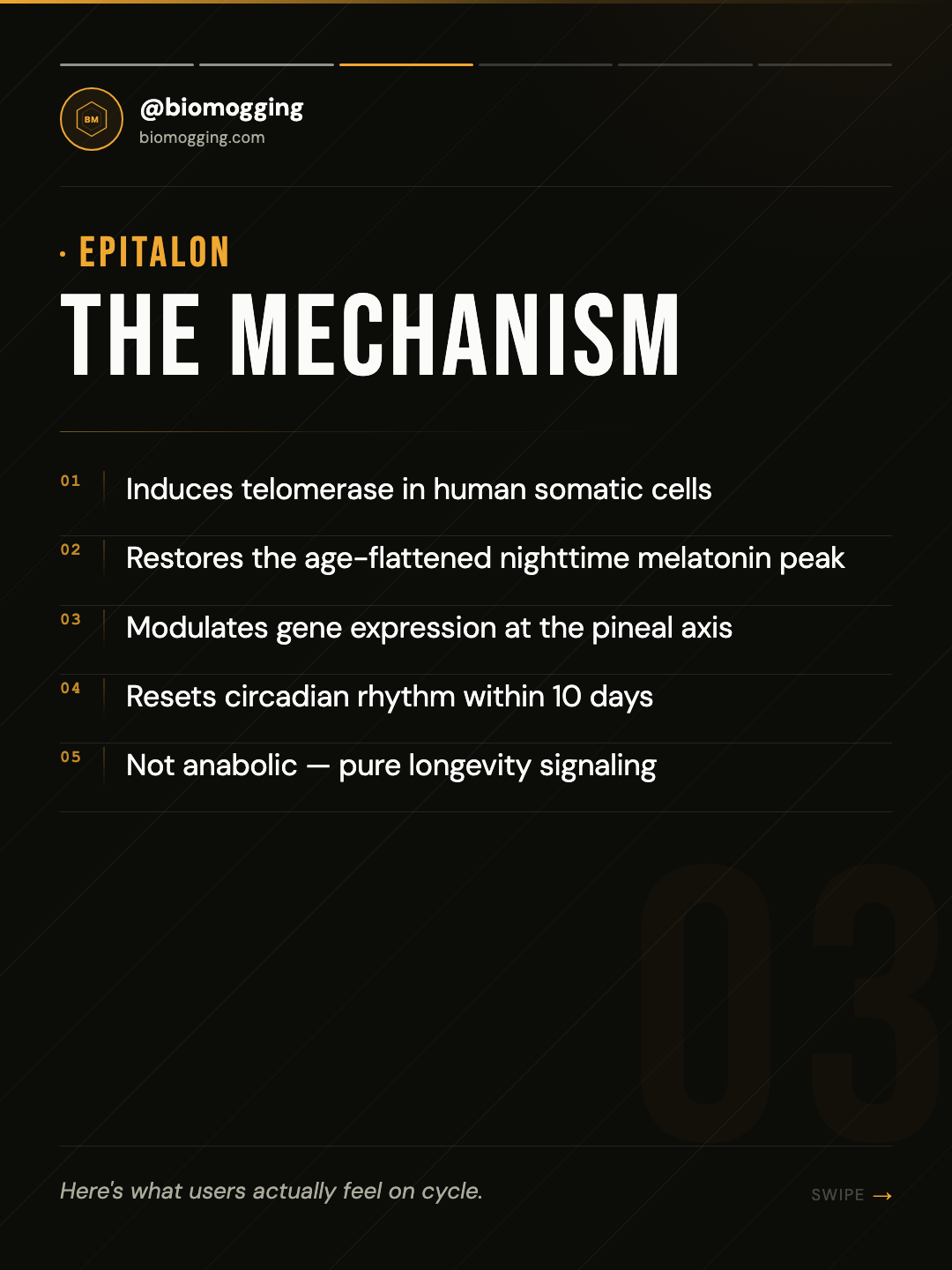
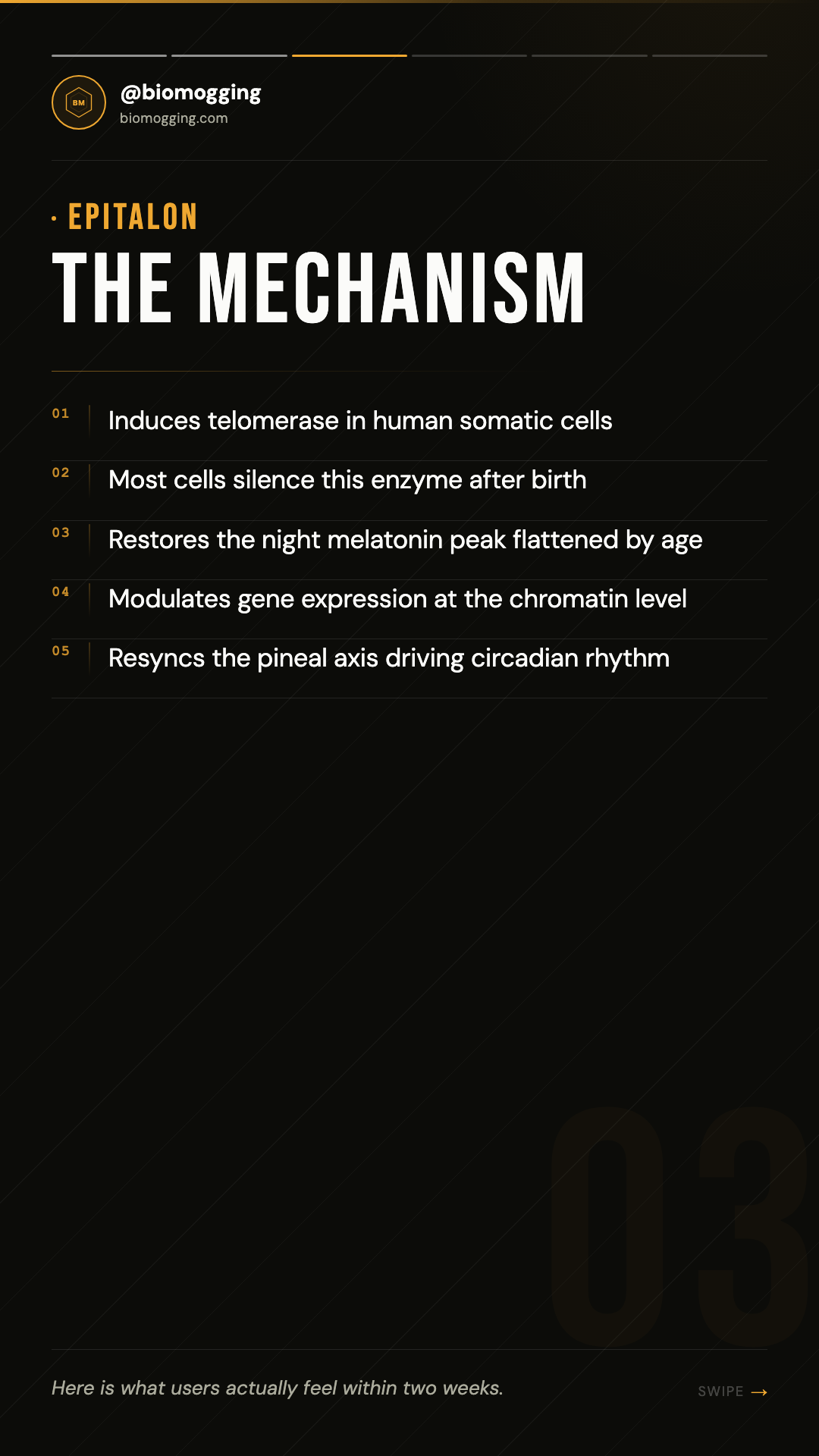
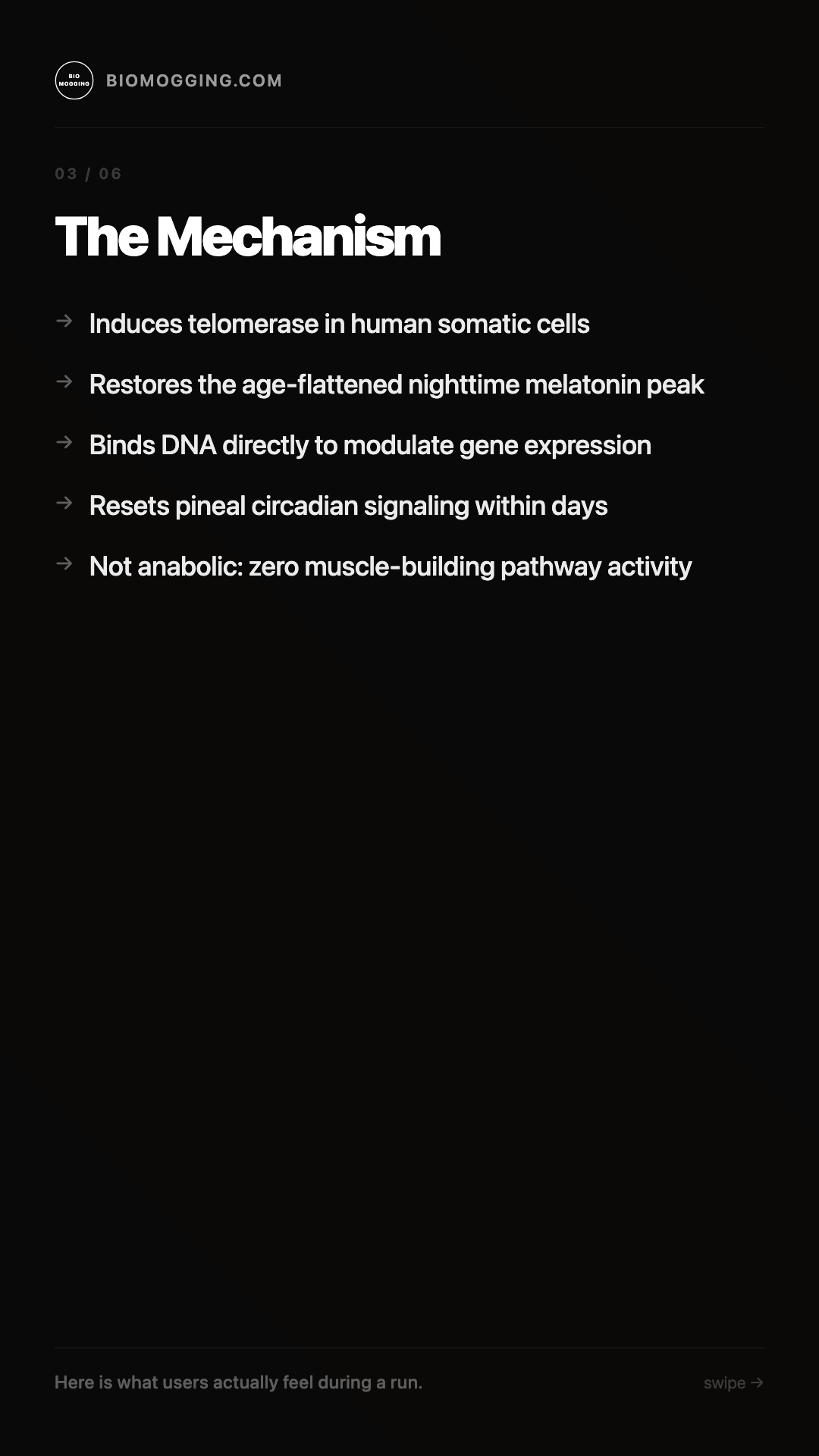
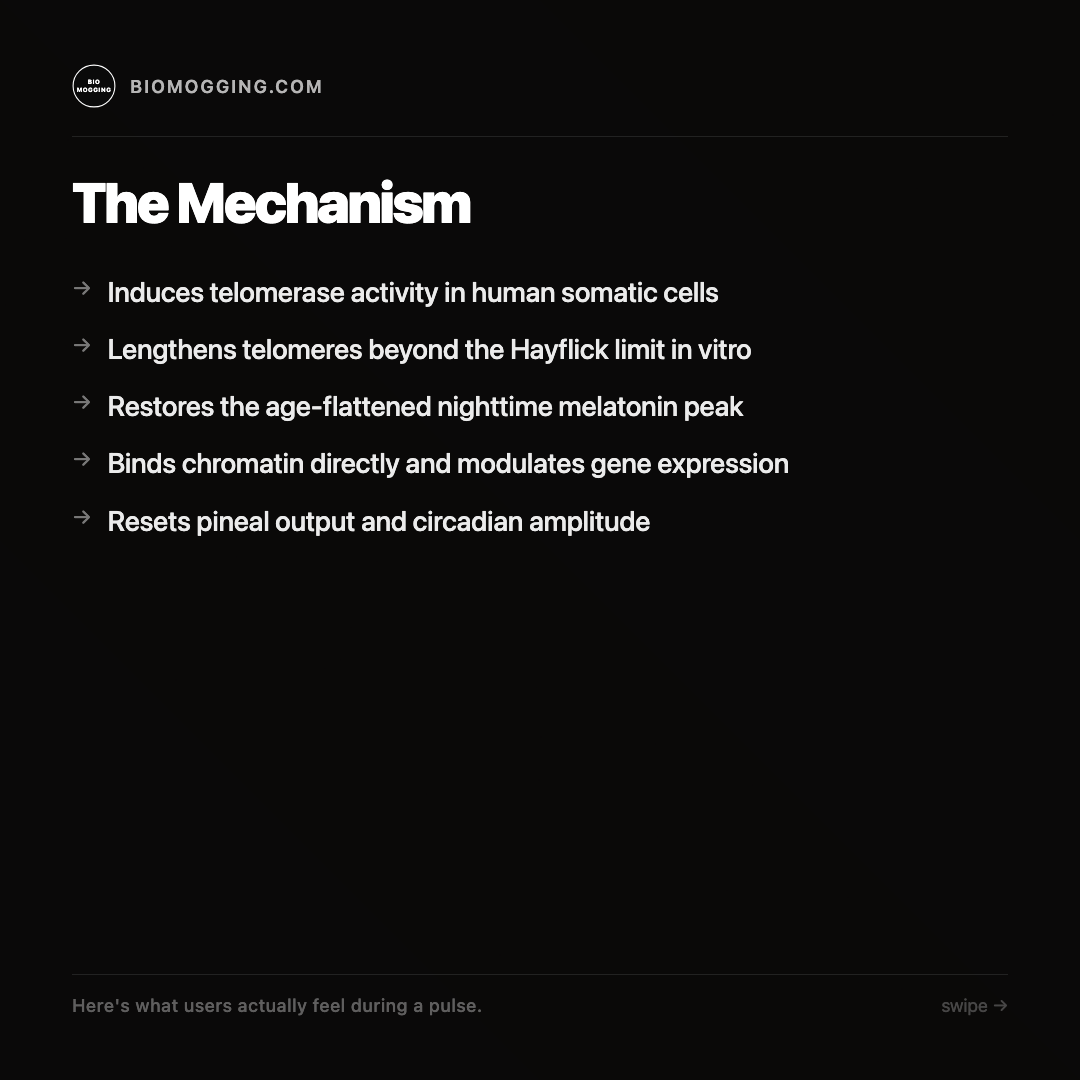
Epitalon is a synthetic tetrapeptide (Ala-Glu-Asp-Gly) modeled on the short active fragments of Epithalamin, a crude pineal gland extract. It is the canonical member of the "Khavinson peptide bioregulator" family, and its proposed mechanisms center on telomerase induction, pineal/melatonin-axis restoration, and direct modulation of gene expression — none of which are muscle-building pathways, which is why this sits in the longevity lane rather than the physique lane.
Telomerase Induction and Telomere Elongation#
The headline mechanism. Normal human somatic cells express essentially no telomerase, so their telomeres shorten with every division until they hit the Hayflick limit and senesce. Epitalon appears to switch hTERT (the catalytic subunit of telomerase) back on in these cells, restoring telomerase activity and lengthening telomeres enough to push cultures past that replicative ceiling.
"Epithalon induced telomerase activity and elongation of telomeres in cultured human somatic fibroblasts, thereby overcoming the Hayflick limit and enabling additional cell divisions." — Khavinson VKh, Bondarev IE, Butyugov AA. Bulletin of Experimental Biology and Medicine, 2003
A follow-up paper from the same group confirmed the effect was telomerase-dependent rather than a generic mitogenic artifact (Khavinson 2004). For the reader: this is the mechanism users are buying when they run an annual pulse — preserved replicative capacity in stem and progenitor compartments, which in theory shows up downstream as slower aging of skin, immune function, and recovery capacity.
Honest caveat: the bulk of this work comes from one Russian research group and has not been independently replicated at the same depth in Western labs. The biology is plausible, not settled.
Pineal Axis and Melatonin Rhythm Restoration#
Epitalon was originally designed as a synthetic analog of a pineal extract, and the most subjectively reproducible effect users report — deeper sleep, earlier sleep onset, vivid dreams during a pulse cycle — traces back to this mechanism. The aged pineal loses amplitude in its nocturnal melatonin peak; Epitalon restores it.
"Epithalon restored the circadian profile of melatonin secretion in elderly people and experimental animals, normalizing the night peak reduced with age." — Khavinson VKh. Neuro Endocrinology Letters, 2002
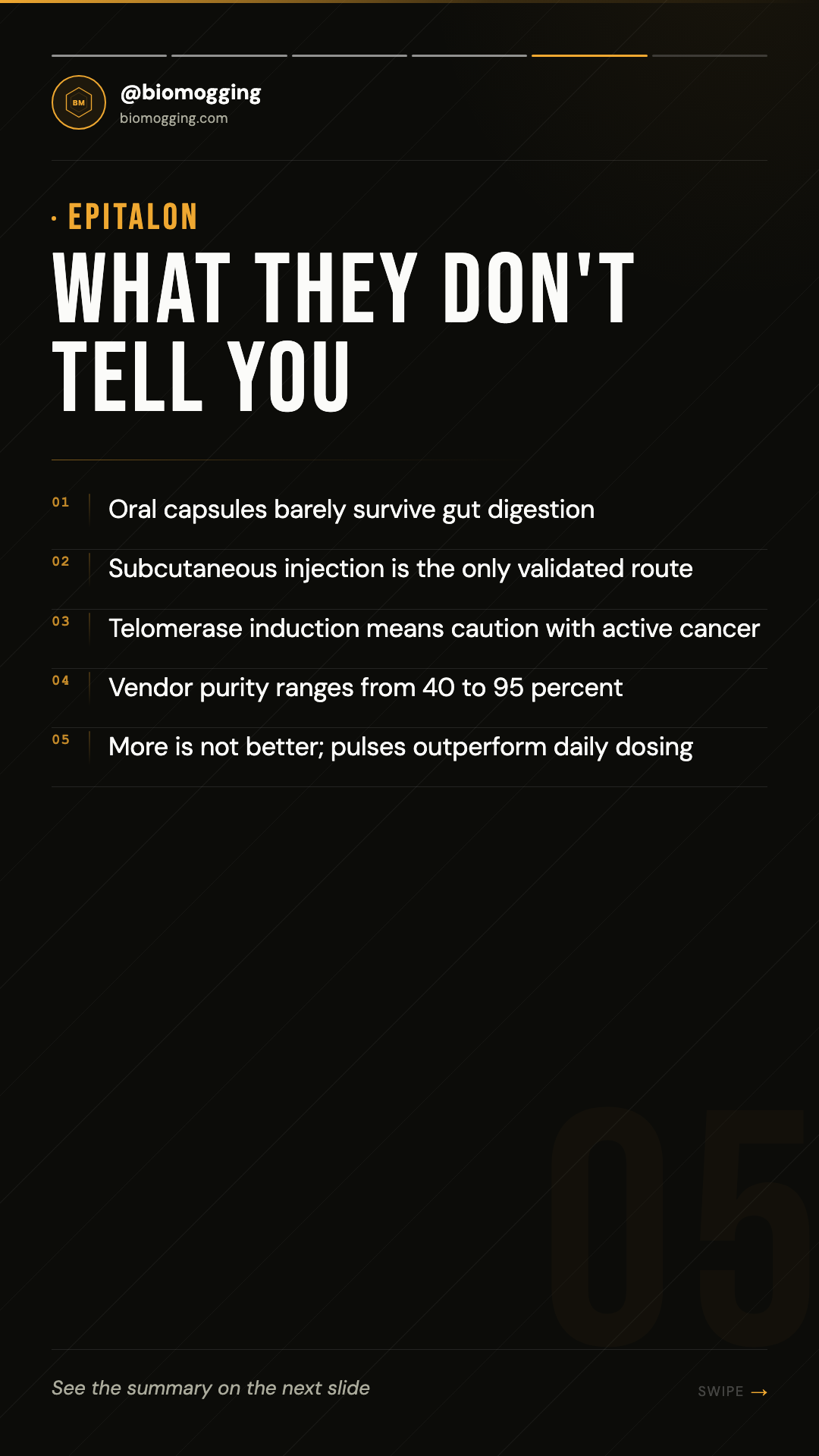
Practically, this is why evening dosing is preferred and why the "sleep/circadian reset" protocol (10–14 days at 5–10 mg SC in the evening) is the use case with the cleanest felt response. Better sleep quality is also the most plausible route by which Epitalon indirectly helps recovery and cognition.
Direct Gene-Expression and Epigenetic Modulation#
Khavinson's broader peptide-bioregulator model is that short peptides like AEDG can enter the nucleus, bind GC-rich regions of promoter DNA, and shift transcription of specific gene clusters — neurogenesis markers, antioxidant defense genes, differentiation programs. Recent work supports this in induced human neurons:
"The peptide AEDG (Epitalon) modulated gene expression and conferred protection against age-associated changes in human neuron-like cells, supporting its geroprotective potential." — Kraskovskaya N, Linkova N, Sakhenberg E, et al. International Journal of Molecular Sciences, 2024
This is the mechanistic bridge between "injecting a peptide with a 5-minute plasma half-life" and "the effects last months." The molecule is gone long before the downstream transcriptional response finishes playing out — which is exactly why pulse dosing is rational: you don't need continuous blood levels to drive a gene-expression program, you need a loading window.
Geroprotective and Anti-Tumor Signaling#
Chronic low-dose Epitalon in rodents extends mean lifespan and, notably, reduces spontaneous tumor incidence — the opposite of what you'd naively expect from a telomerase inducer.
"Chronic administration of Epitalon significantly increased mean lifespan and reduced spontaneous tumor incidence in female SHR mice." — Anisimov VN, Khavinson VKh, Popovich IG, Zabezhinski MA, et al. Biogerontology, 2003
The probable explanation is that Epitalon also suppresses age-associated chromosomal instability and normalizes immune surveillance, so the net oncogenic balance in healthy tissue comes out negative. This does not erase the theoretical concern — in someone with an existing malignancy, you do not want to be feeding telomerase to a tumor — which is why active cancer and recent cancer history remain hard contraindications regardless of the rodent data.
Putting It Together#
Four mechanisms, one story: Epitalon is a nuclear-acting signaling peptide that briefly touches cells, reprograms a slice of their transcriptional output (telomerase, pineal neuropeptides, differentiation genes), and then gets cleared. The felt effects — better sleep, subjectively faster recovery, vivid dreams — are downstream of the pineal axis. The promised effects — telomere maintenance, slowed biological aging, lower age-related disease burden — are downstream of the telomerase and epigenetic arms, operate over years, and are the reason this compound earns an annual slot in a serious longevity stack rather than a physique protocol.
Protocol
| Level | Dose | Frequency | Notes |
|---|---|---|---|
| Low | 0.1–0.25 mg | Once daily | Documented entry-level range |
| Mid | 5–10 mg | Once daily | Most commonly studied range |
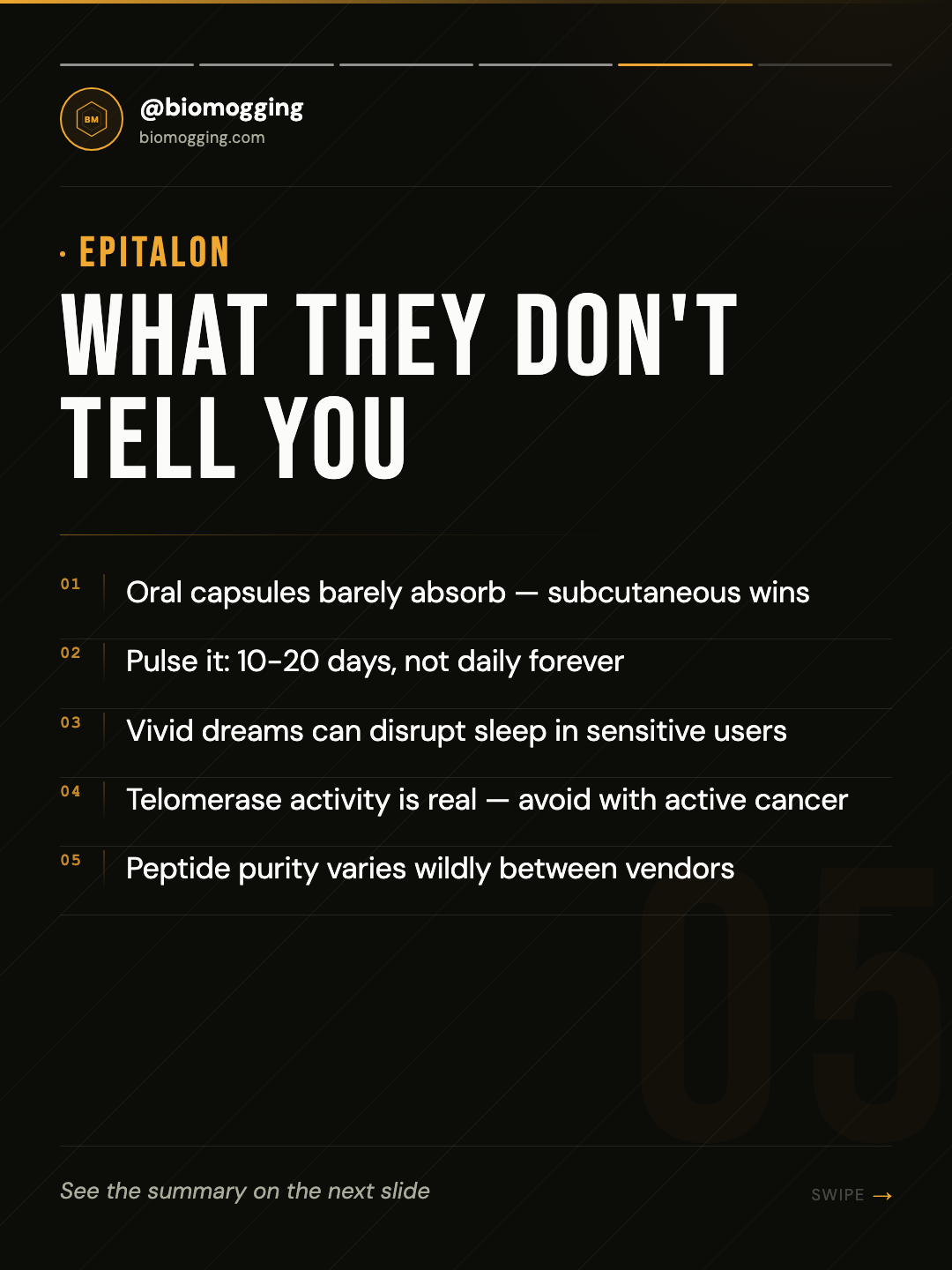
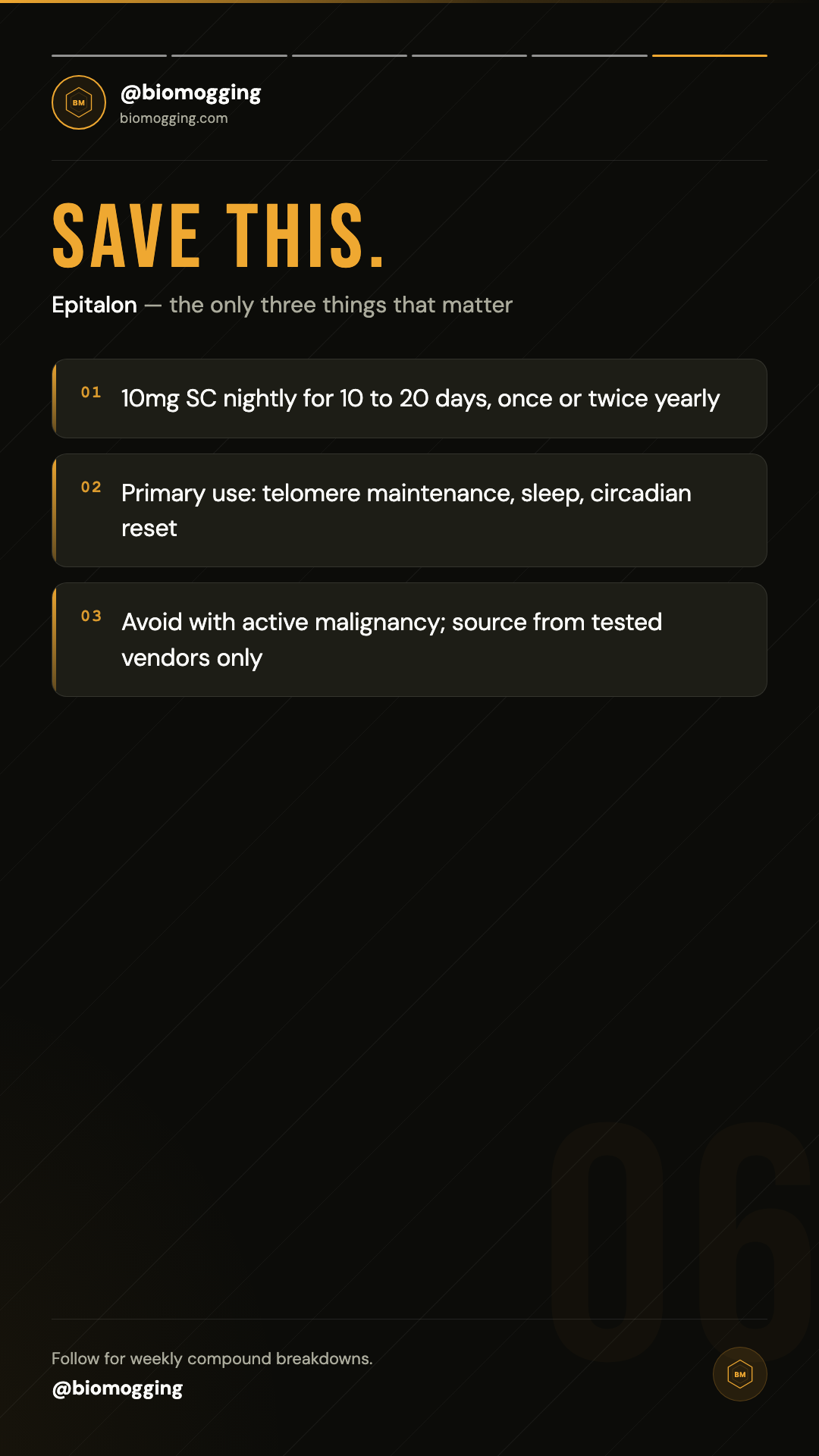
| High | 10–10 mg | Once daily | Two defensible protocols: Khavinson pulse (5–10mg SC daily × 10–20 days, 1–2× per year) or low-dose daily (100–250mcg SC daily × 1–3 months). Evening dosing preferred for pineal/sleep effects. |
Available at Real Peptides (US) — 20% off auto-applied
A 7-week protocol at 7.5 mg/day ≈ 37 vials
Cycle length & outcomes
Documented cycle
2–12 weeks
Plateau after
3 wks
Cycle Length & Protocol#
Epitalon doesn't behave like a growth peptide or AAS — plasma half-life is minutes, but the downstream effects on gene expression and pineal signaling persist for weeks to months after the last injection. That's why pulsed dosing is the norm, not continuous year-round use. Two protocols dominate community practice, and both are defensible.
Dose Ladder by Goal#
| Goal | Cycle Length | Daily Dose | Cadence |
|---|---|---|---|
| Annual longevity pulse (Khavinson) | 10–20 days | 5–10mg SC | 1–2× per year |
| Sleep / circadian reset | 10–14 days | 5–10mg SC evening | 1–2× per year |
| Low-dose daily run | 30–90 days | 100–250mcg SC | 1–2× per year |
| Post-heavy-cycle recovery adjunct | 10 days | 5mg SC | During/after PCT |
| Longevity stack backbone | 10 days | 10mg SC | Every 6 months |
Onset & Timing#
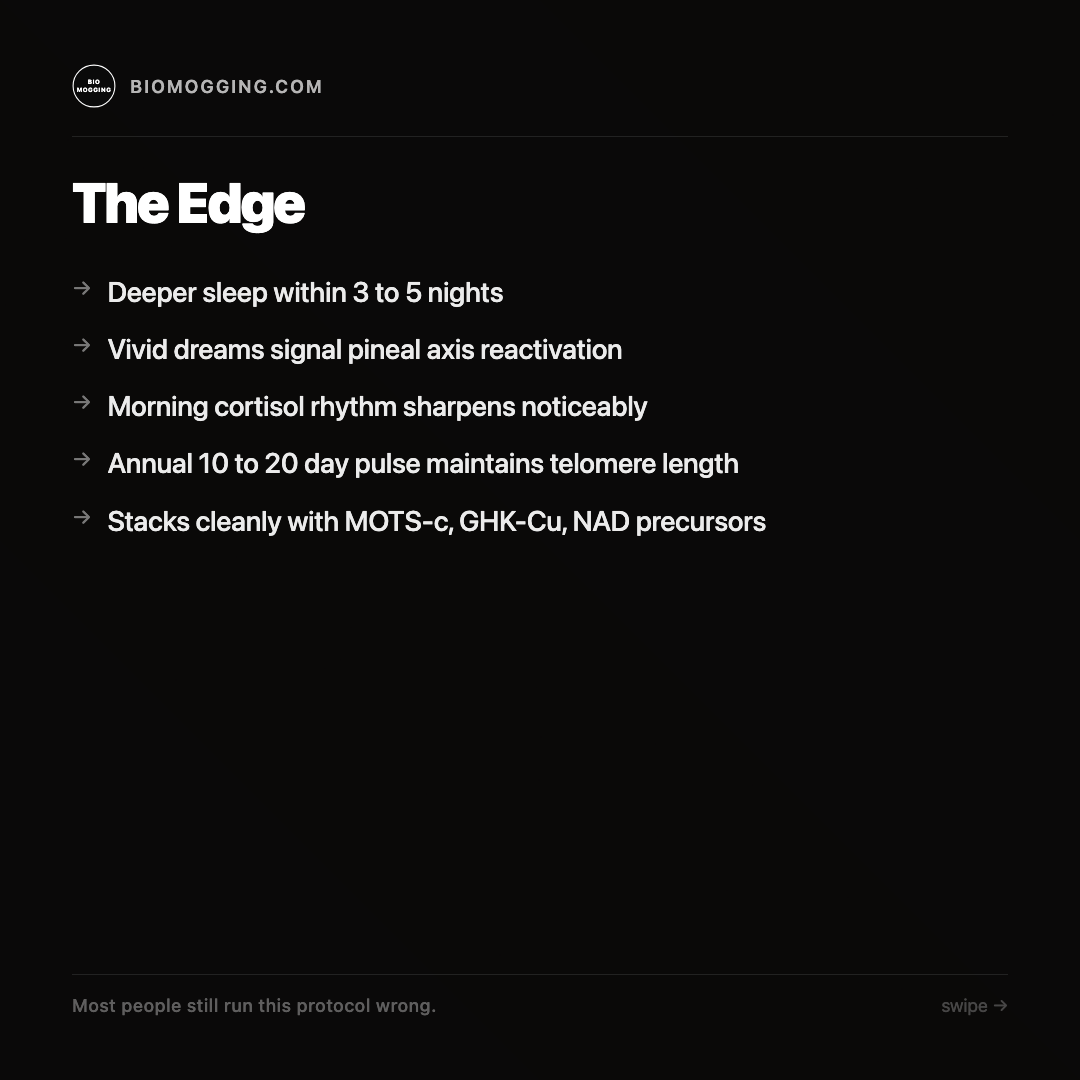
Subjective signals — deeper sleep, earlier sleep onset, more vivid dreams — typically show up within 3–7 days of starting a pulse and tend to outlast the injection window by several weeks. This matches the pineal-axis mechanism:
"Epithalon restored the circadian profile of melatonin secretion in elderly people and experimental animals, normalizing the night peak reduced with age." — Khavinson, Neuro Endocrinology Letters (2002)
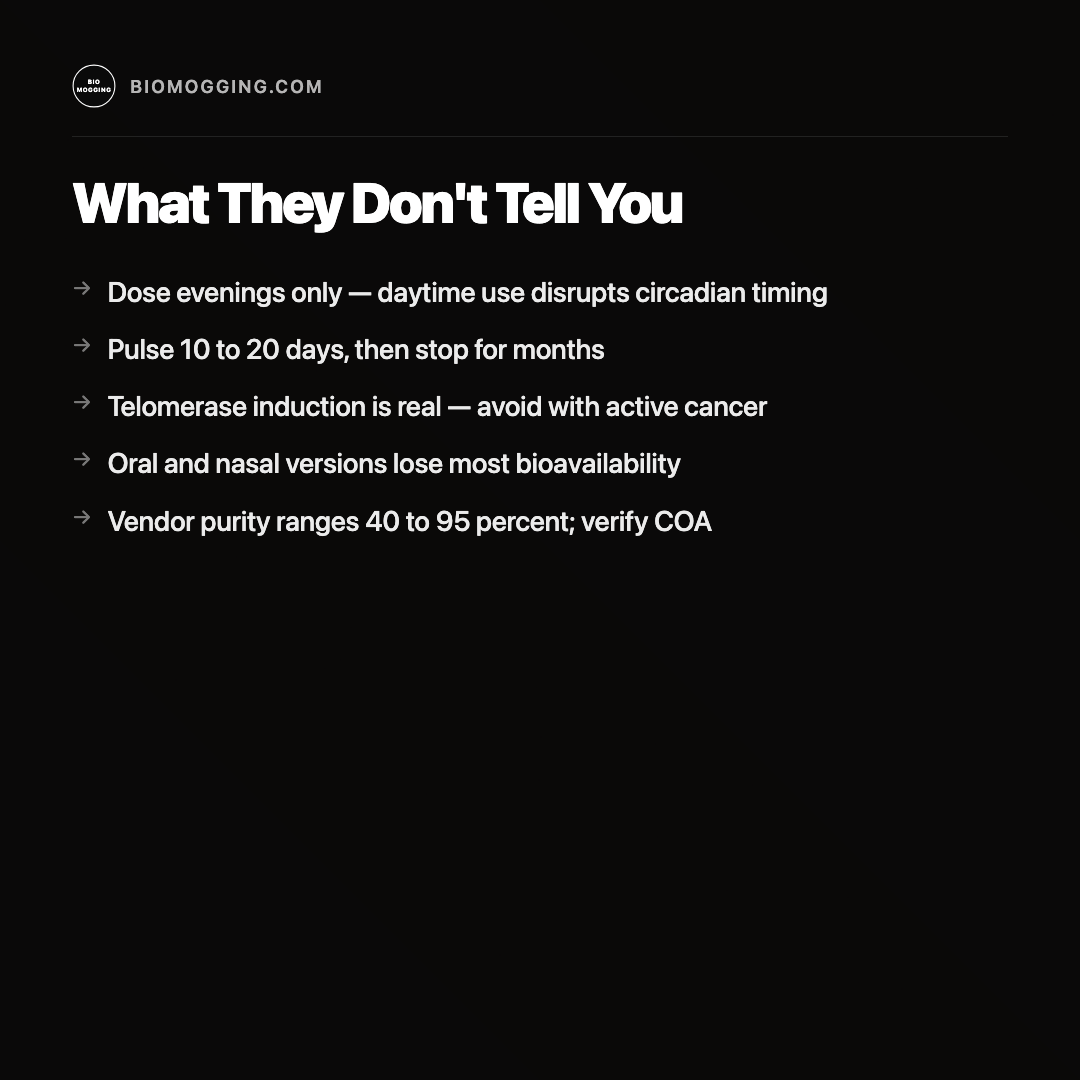
Evening dosing (6–9pm) aligns the peptide's window with natural melatonin release and is the community default.
Loading, Tapering & Frequency#
No loading phase, no taper. Epitalon is non-hormonal, does not suppress any endogenous axis, and carries no PCT requirement. You start at full dose on day one and stop cleanly on the last day of the pulse.
The Khavinson 10–20 day pulse at 5–10mg/day, repeated every 6–12 months is the dominant pattern and maps directly onto the published Russian clinical protocols. The telomerase and gene-expression work supports the pulse model — the biological effect is a slow, persistent shift, not an occupancy-driven response that needs daily reinforcement:
"In the presence of Epithalon, human somatic cells acquired the ability to overcome the division limit, associated with activation of telomerase." — Khavinson et al., Bull Exp Biol Med (2004)
The low-dose daily camp (100–250mcg SC daily × 1–3 months) argues that rodent efficacy was demonstrated at µg/kg ranges and that mg-per-day dosing is wasteful. Both schemes produce the same subjective effects in practice — there's no human dose-response data sharp enough to distinguish them. Pick by preference and vial economics.
Bloodwork & Monitoring#
No mandatory bloodwork — Epitalon doesn't move lipids, liver enzymes, hematocrit, or the HPTA. Users who want an objective readout on a yearly pulse track one of:
-
Epigenetic age clocks (TruDiagnostic, Horvath-style) pre- and post-pulse — the most tractable biomarker for this class.
-
Sleep metrics (Oura / Whoop deep-sleep %) — probably the best real-world signal, and free if you already wear a tracker.
-
Telomere-length assays (Life Length, TeloYears) — high variance, expensive, likely not sensitive enough to register a single 10-day pulse.
Stopping Rules#
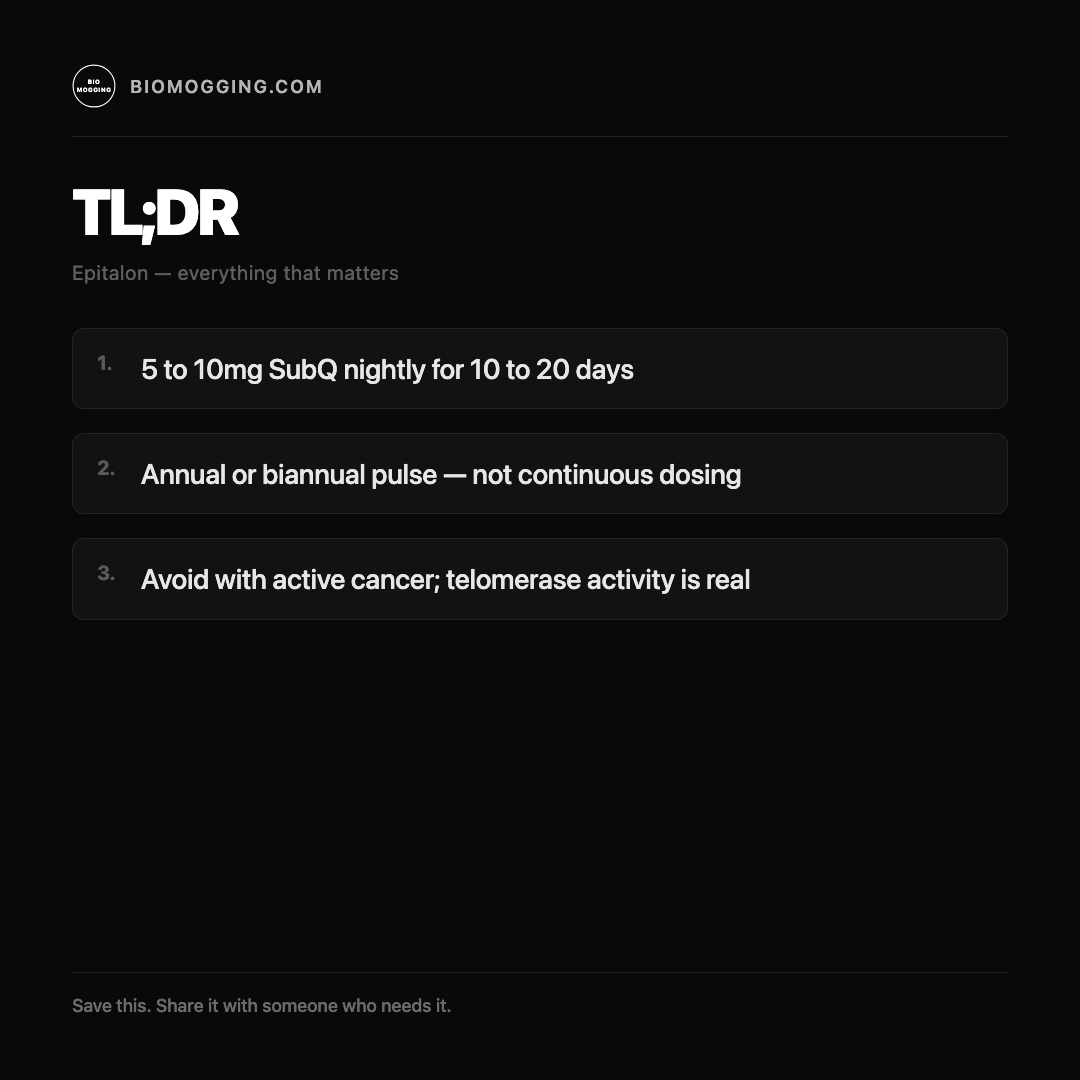
Stop the cycle and reassess if you develop an active malignancy workup or a new cancer diagnosis during the pulse — the telomerase-induction mechanism is a reasonable hedge to pause, even though the rodent data actually show reduced spontaneous tumor incidence. Prior cancer history in remission is the main population where pulse frequency should be tightened or skipped entirely. Skip outright if pregnant or trying to conceive — no maternal/fetal data exist.
Otherwise, once-or-twice-yearly pulses stack cleanly into any longevity rotation (MOTS-c, GHK-Cu, NAD+ precursors, low-dose tadalafil) and don't interfere with AAS, GH, or SARM cycles running in parallel.
Risks & mistakes
Common (most users)#
-
Injection-site reactions — mild redness, transient itch, occasional bruising. Standard SC peptide behavior. Rotate between abdominal quadrants, use insulin syringes (29–31G), and let the bac-water-reconstituted solution come to room temperature before injecting.
-
Vivid dreams / altered sleep architecture — the most commonly reported effect during a pulse, consistent with pineal-axis modulation. Usually subjectively positive (deeper sleep, more REM recall). If it disrupts sleep the first few nights, shift injection timing earlier in the evening or move to morning dosing.
-
Mild headache or transient lethargy in the first 2–3 days of a high-dose load. Self-limiting — push water and electrolytes, ride it out. If it persists past day 4, drop to a lower daily dose or split the dose across AM/PM.
"Epithalon restored the circadian profile of melatonin secretion in elderly people and experimental animals, normalizing the night peak reduced with age." — Khavinson VKh, Neuro Endocrinology Letters (2002)
Uncommon (dose-dependent or individual)#
-
Restless or fragmented sleep in the first few nights of a 10 mg evening pulse — flip side of the vivid-dreams effect. Drop to 5 mg or dose in the morning.
-
Appetite suppression or mild nausea at the top of the mg-range pulse. Dose with food if SC injection timing allows; drop to 2.5–5 mg if persistent.
-
Subjective "nothing happening" — this is the most common complaint, not a side effect per se. Because Epitalon's effects are slow (gene expression, telomerase induction) rather than acute receptor occupancy, users expecting a GH-like "feel" won't get one. Do not chase the effect with higher doses — the rodent efficacy work was done at µg/kg, and mega-dosing is more likely a vendor/purity problem than an under-response.
-
No specific bloodwork to monitor — Epitalon doesn't move lipids, liver enzymes, glucose, or HPTA markers. Users wanting an objective readout track epigenetic age (TruDiagnostic) or sleep architecture (Oura/Whoop deep-sleep %) pre/post a pulse.
Rare but serious#
- Theoretical telomerase/oncogenesis concern. Telomerase reactivation is a shared feature of many cancers, so chronic high-dose telomerase-inducing peptides in someone with occult malignancy is not zero-risk. The actual rodent data cut the other way — reduced spontaneous tumor incidence — but long-term human cancer surveillance trials don't exist.
"Chronic administration of Epitalon significantly increased mean lifespan and reduced spontaneous tumor incidence in female SHR mice." — Anisimov VN et al., Biogerontology (2003)
"In the presence of Epithalon, human somatic cells acquired the ability to overcome the division limit, associated with activation of telomerase." — Khavinson VKh et al., Bulletin of Experimental Biology and Medicine (2004)
The sensible hedge is pulse dosing (10–20 days, 1–2× yearly) rather than continuous year-round high-mg administration. Warning signs to stop and get worked up: unexplained weight loss, persistent lymphadenopathy, new masses, unusual bleeding, night sweats unrelated to cycle timing.
- Severe allergic / hypersensitivity reaction — vanishingly rare for a short linear peptide but possible with any injected compound, especially if the vendor's product contains residual synthesis byproducts. Urticaria, facial swelling, or respiratory symptoms after injection → stop immediately, antihistamine, ER if progressing.
Hard contraindications#
-
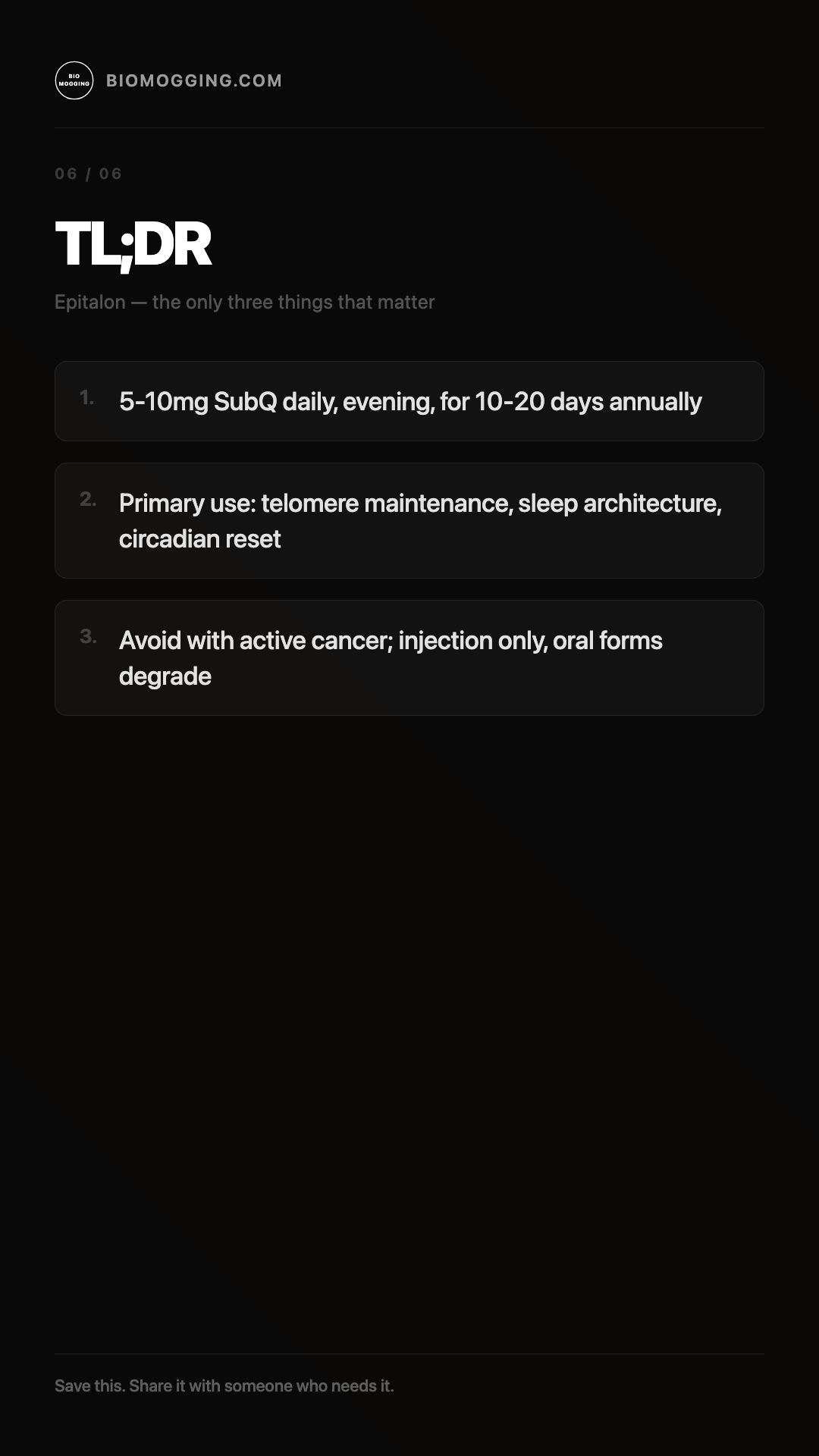
Active malignancy of any kind. Epitalon should not be used during active cancer treatment or a cancer workup. The telomerase-induction mechanism is incompatible with the clinical situation, regardless of what the rodent longevity data show.
-
Personal history of cancer in remission — especially telomerase-positive tumors (most solid tumors). Not an absolute bar for everyone, but this is the one place the compound's mechanism argues against use without oncologist involvement.
-
Pregnancy or actively trying to conceive. No maternal or fetal safety data exist. Skip it.
-
Lactation. Same reasoning — no data, no upside worth the unknown.
-
Unverified vendor product. This is the practical contraindication that matters most. Epitalon's effects are subtle enough that a completely inert vial is indistinguishable from real product. Only run material from vendors who publish batch-level HPLC/mass-spec COAs, and confirm you bought Epitalon/Epithalon (synthetic AEDG), not Epithalamin (crude pineal extract — not the same thing, frequently mislabeled).
Gender and PCT notes#
Epitalon is non-hormonal. No androgenic, estrogenic, or HPTA activity — men and women use identical dosing, and no PCT is required or appropriate. It stacks cleanly alongside AAS, SARMs, GH, peptides, and ancillaries without interaction. For women, there is no virilization risk and no menstrual-cycle impact reported. The only female-specific caveat is the blanket pregnancy/lactation contraindication above. For men running heavy AAS cycles, Epitalon is one of the few longevity adjuncts with no androgenic or lipid footprint, which is why it earns a slot in post-cycle or between-cycle recovery blocks in the looksmaxxing community.
Stack & combine
Multipliers applied when these compounds run together. Values > 1 indicate a bonus on that axis. Tap a partner to expand the mechanism.
| Partner | Type | Lean | Fat loss | Recovery |
|---|---|---|---|---|
| synergistic | ×1.08 | ×1.06 | ×1.22 | |
| synergistic | ×1.00 | ×1.00 | ×1.18 | |
| synergistic | ×1.00 | ×1.00 | ×1.15 |
FAQ — Epitalon
Where to buy Epitalon

Real Peptides
Our pick20% off — auto-applied at checkout
- Buy Epitalon · 20% offEpithalon
A 7-week protocol at 7.5 mg/day ≈ 37 vials

Swiss Chems
10% off — auto-applied at checkout
- Buy Epitalon · 10% offEpitalon 10 mg - SwissChems-Buy Best Quality Peptides, SARMS Online
A 7-week protocol at 7.5 mg/day ≈ 37 vials

NextGenPeps
10% off — use code at checkout
- Buy Epitalon · 10% offEpithalon
You'll also need
- Bacteriostatic waterReal PeptidesBuy · 20% off
- Bacteriostatic waterNextGenPepsBuy · 10% offUse code at checkout
- Bacteriostatic waterSwiss ChemsBuy · 10% off
- Sterile waterSwiss ChemsBuy · 10% off
- Spray bottle 10 mlSwiss ChemsBuy · 10% off
- Acetic acid 0.6% solution 10 mlSwiss ChemsBuy · 10% off
Research & citations
5 studies cited on this page.
Conclusion
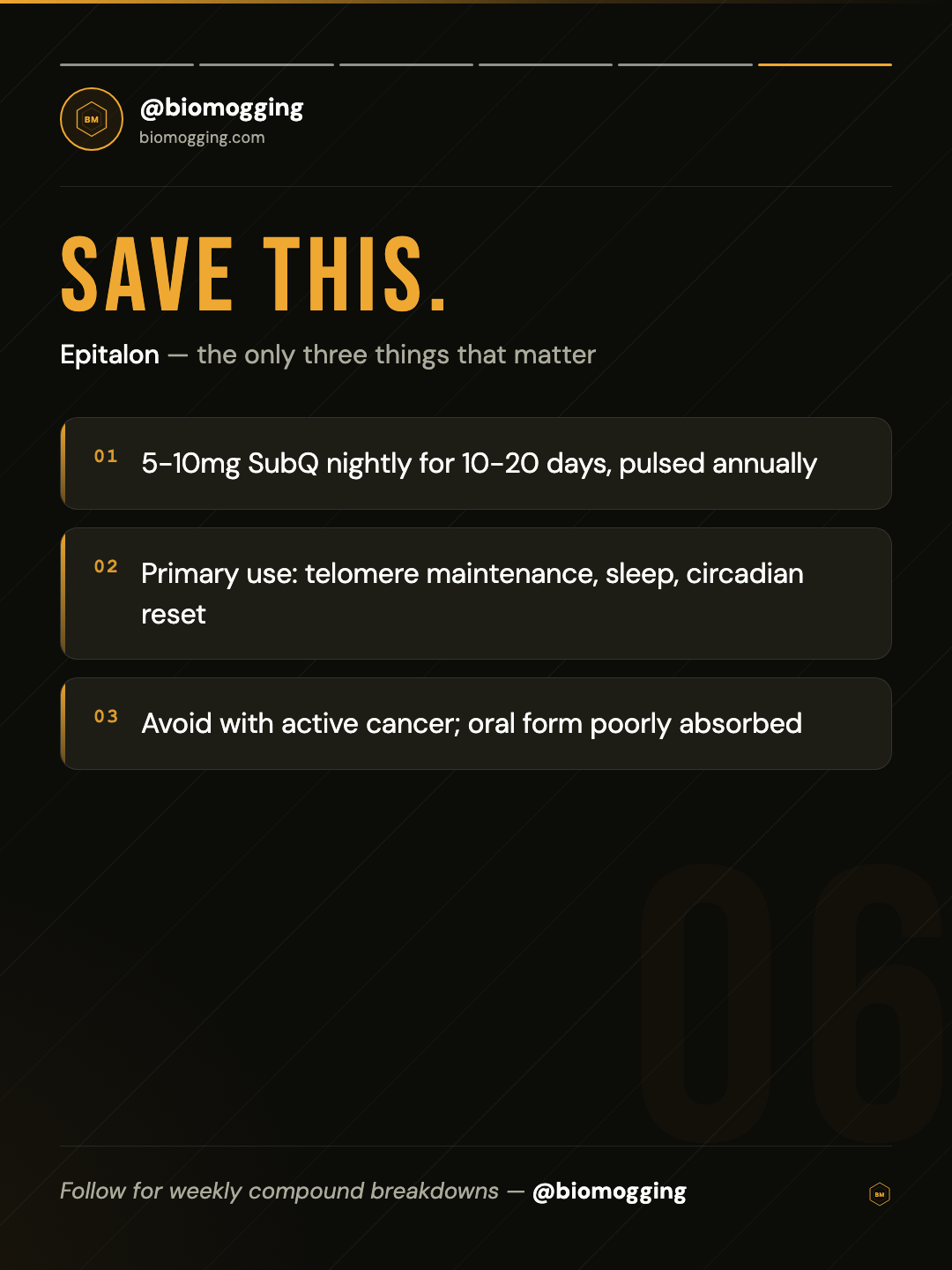
Epitalon is a high-trust tool in the longevity and looksmaxxing arsenal — clean safety profile, plausible telomere/epigenetic action, and simple cycling. It won't move the needle for muscle or fat loss, but it's a reasonable bet for sleep, recovery, and "annual service" on the cellular aging axis.
Key takeaways:
-
Standard protocol: 5–10 mg SC daily for 10–20 days, once or twice a year ('Khavinson pulse')
-
Low-dose option: 100–250 µg SC daily for 1–3 months ('micro' approach), no proven advantage over pulses
-
Best dosed in the evening for sleep/pineal effects
-
Stacks well with MOTS-c, GHK-Cu, NAD+ precursors, and low-dose tadalafil in a full longevity stack
-
Side effects are minimal — vivid dreams, rare injection-site irritation; theoretically avoid if you have cancer risk/history
-
Does not require PCT, has no gender restrictions, and is non-hormonal
If you're targeting sleep quality, circadian rhythm, or the long-game of telomere/pineal health, Epitalon is a low-risk, smart add to your protocol.
Similar compounds
Comparisons
Social Media
@biomogging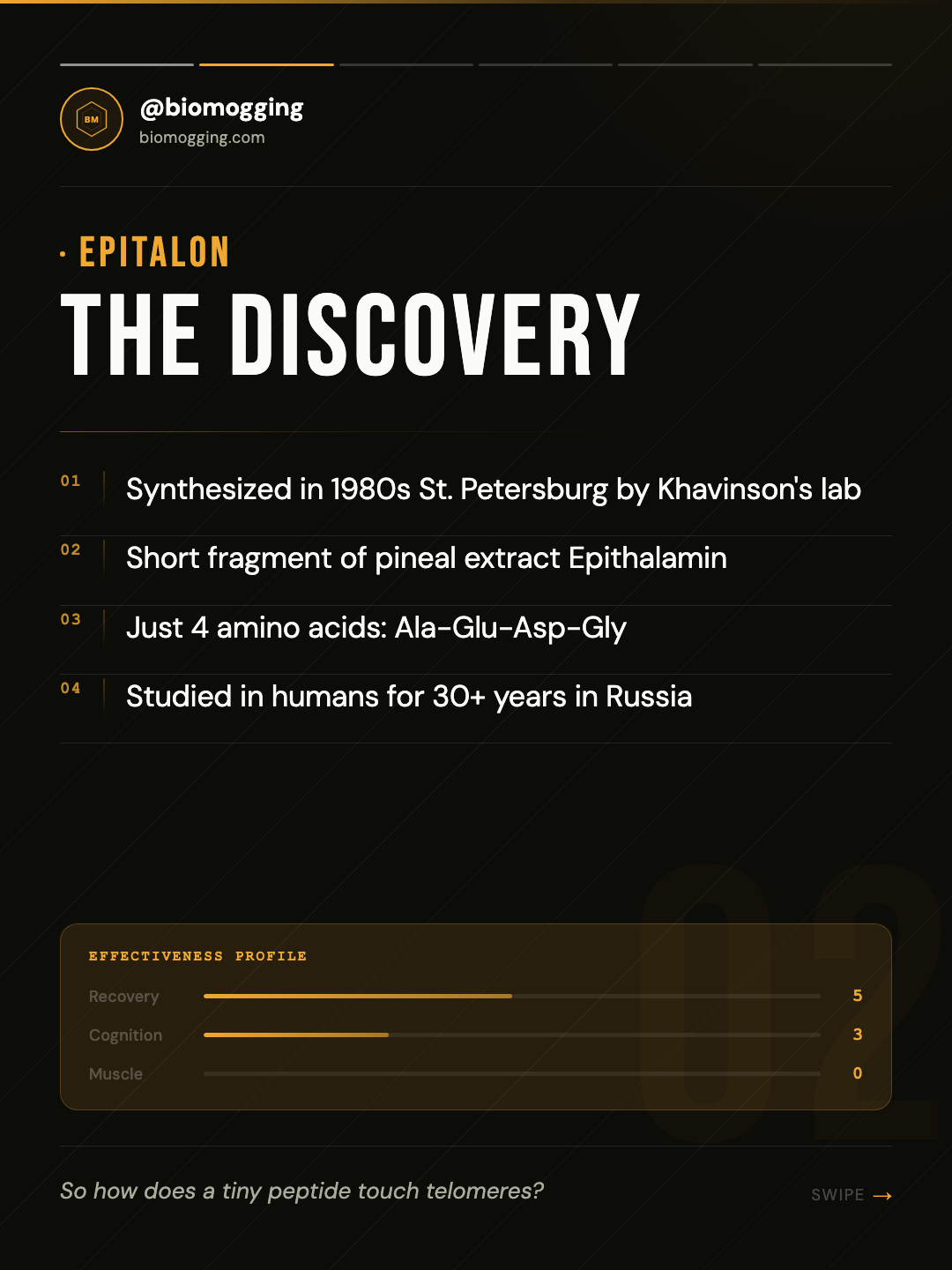



Disclosures
Affiliate links — we may earn a commission at no cost to you.